
Lion, leopard, elephant, buffalo, rhino — the original safari list. Here's the realistic park-by-park guide to seeing all five.
The phrase 'Big Five' was coined by colonial-era hunters for the species considered most dangerous to track on foot. Today it's the photographer's checklist — and Tanzania is one of the few countries where you can realistically see all five in a single trip.
Lion — Serengeti and Ngorongoro Crater
The Serengeti holds the densest population of lion in Africa. Look for prides on kopjes in the central Seronera and in the long grass of the Western Corridor.
Leopard — Seronera Valley and Tarangire
Leopard are solitary and shy. The yellow-fever acacias and sausage trees of Seronera are leopard-territory; in Tarangire, the giant baobabs along the river offer the same elevated cover.
“The phrase 'Big Five' was coined by colonial-era hunters for the species considered most dangerous to track on foot.”
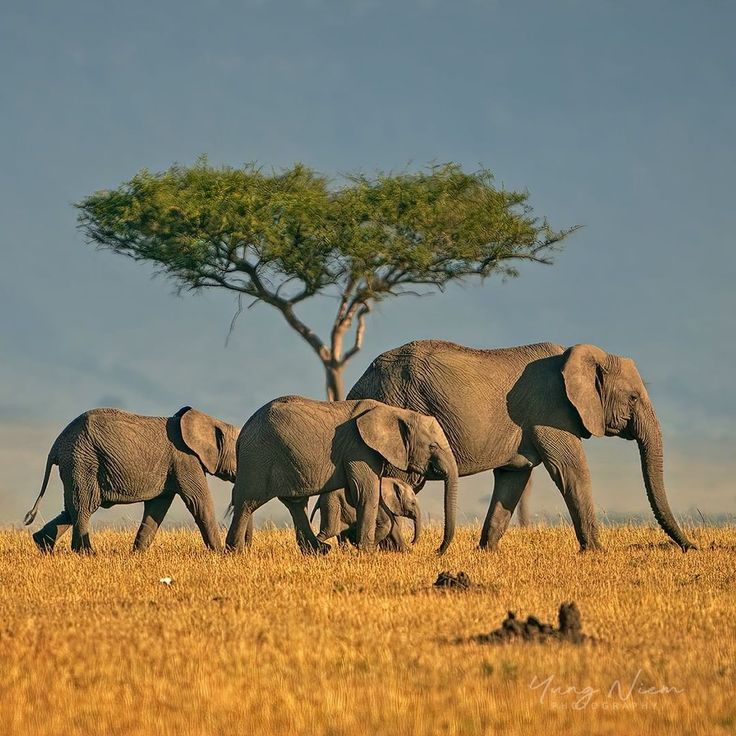
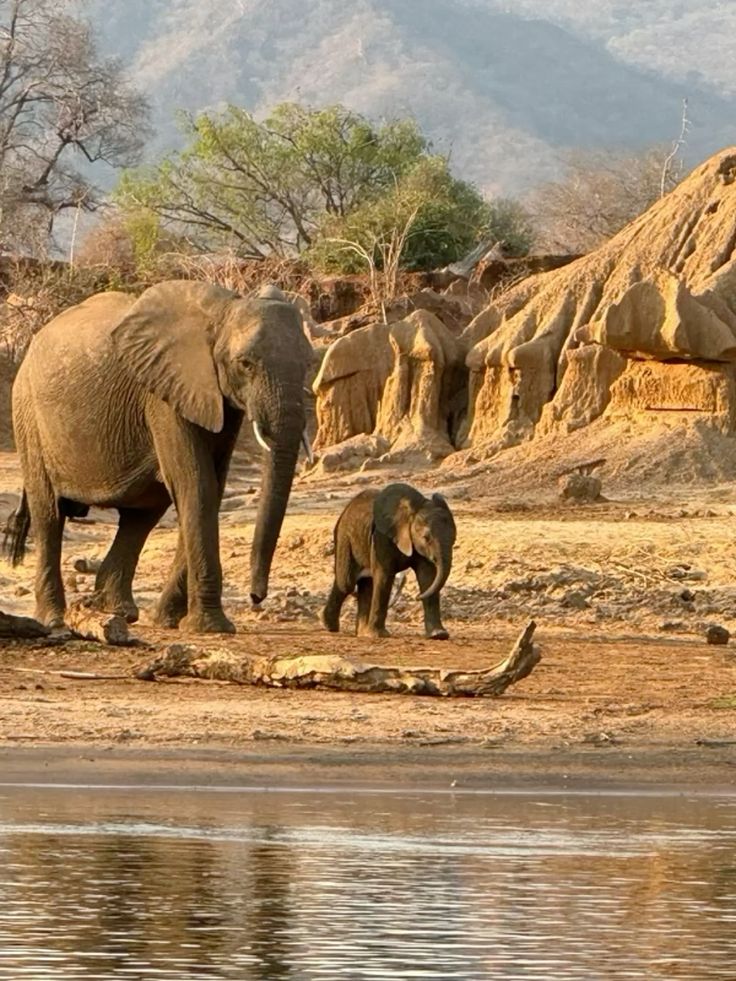
Elephant — Tarangire and Ruaha
Tarangire's dry-season herds (June–October) can number 300 animals at a single waterhole. Ruaha in the south holds Tanzania's largest elephant population — and a fraction of the visitors.
Buffalo — almost everywhere
Cape buffalo are the most reliable of the five. Big bachelor groups gather around the marshes of Ngorongoro and along the rivers of Katavi.
Rhino — Ngorongoro Crater
Roughly 30 critically endangered black rhino live on the floor of the Ngorongoro Crater. Early-morning game drives offer the best sighting odds. A small population also persists in the Moru Kopjes area of the southern Serengeti.
Born on the edge of Tarangire, Amani has guided more than 600 expeditions across Tanzania's northern and southern circuits.
Related destinations
Inspired by this story? Let’s build the journey.
Our Tanzania-based planners design a private itinerary around the dates, pace, and moments that matter to you. No booking fees, no obligation.
More from the Journal
Understanding the Great Migration, Month by Month
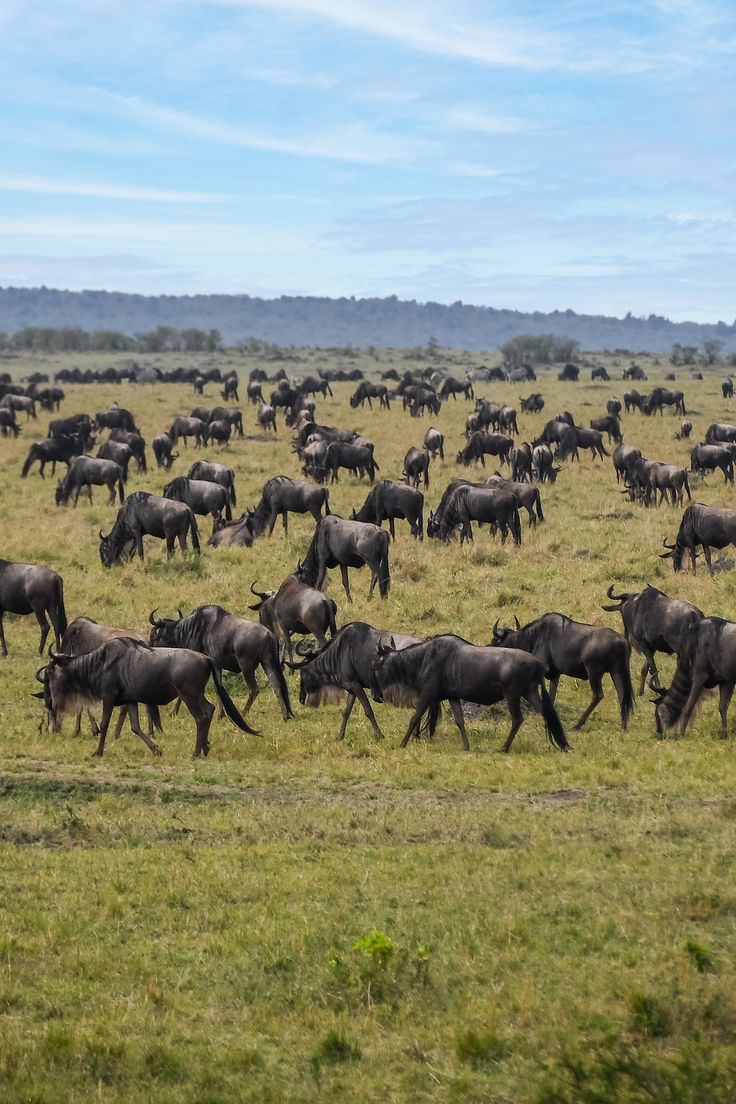
Where the herds actually are in January, why the Mara crossings happen when they do, and how to plan a migration safari around the calf-drop, the rut, and the river drama.
Continue reading